Research from SparkToro indicates that approximately 60% of Google searches are zero click searches.
But what are zero-click searches, and why are they increasingly relevant within SEO?
In short, zero-click searches occur when users find the information they need directly on a search engine results page, without clicking through to a website.
If you’ve ever searched for a quick fact (like the weather, a definition, or a celebrity’s age) and found the answer instantly, you’ve experienced a zero-click search.
While this trend improves user experience by providing fast answers, it also presents challenges for businesses that depend on organic traffic.
However, understanding how zero-click searches work and strategically optimising your content can help turn this shift into an opportunity to improve your brand’s visibility.
Let’s break down zero-click searches and how you can adapt your SEO strategy to stay ahead.
Why Do Users Search Without Clicking On Search Engine Results?
Google’s primary objective is to improve user experience by delivering fast, accurate information. Back in 2019, the introduction of ‘position zero’, known as a featured snippet, allows users to get answers immediately, reducing the need to visit multiple websites.
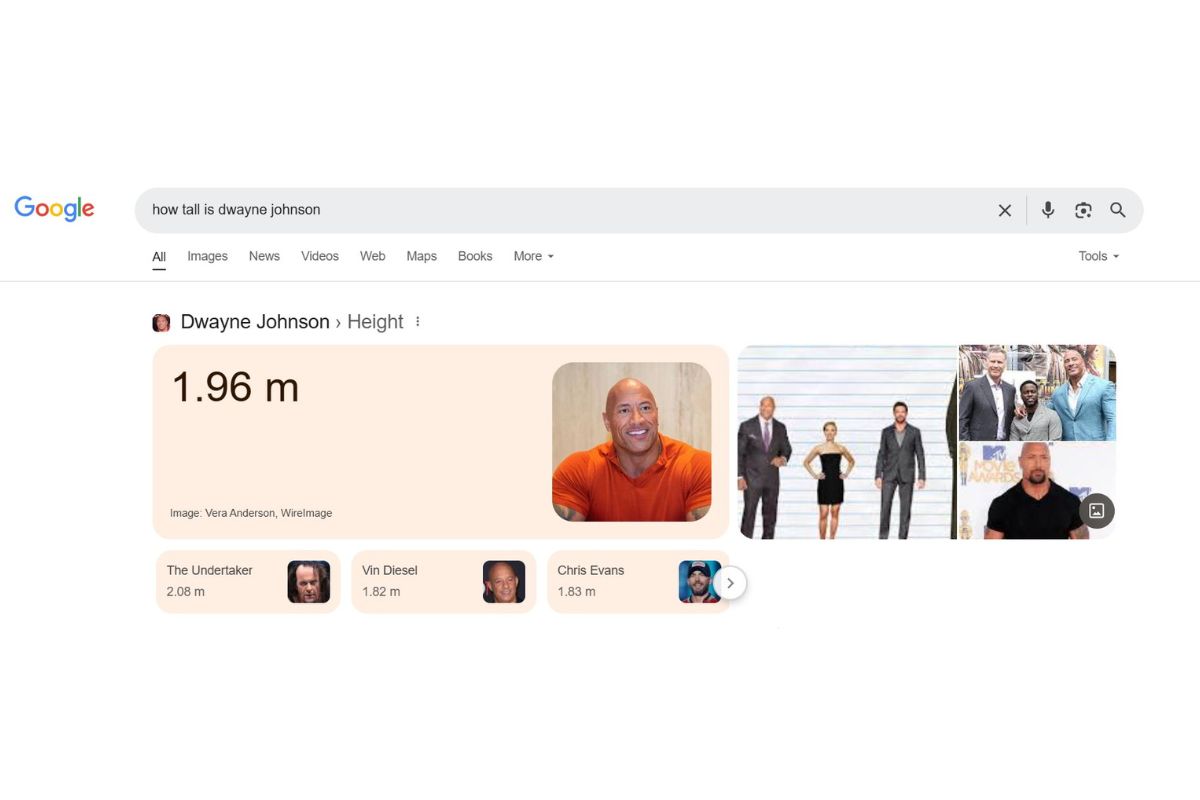
For example, if you search, “How tall is Dwayne Johnson?”, you likely want a quick answer, instead of scrolling through various web pages.
Some of the most common topics that generate zero-click search results include:
- Quick-reference guides (unit conversions, definitions)
- Locations ‘near me’ (restaurants, cafes, cinemas)
- Top news stories (breaking news, trending topics)
This shift benefits users by providing instant information, but this also presents challenges for website owners who rely on organic traffic.
What Is A Zero Click Search?
Zero-click searches come in different types, giving users instant answers without needing to visit a website.
Here are some common examples:
1. Featured Snippets
Featured snippets provide a concise answer to a query, appearing at the top of search results in a highlighted box. These snippets extract content directly from a webpage, displaying text, bullet points, pictures, or videos.
Google includes a clickable link to the source below the snippet, allowing users to explore further if needed.
2. Knowledge Panel
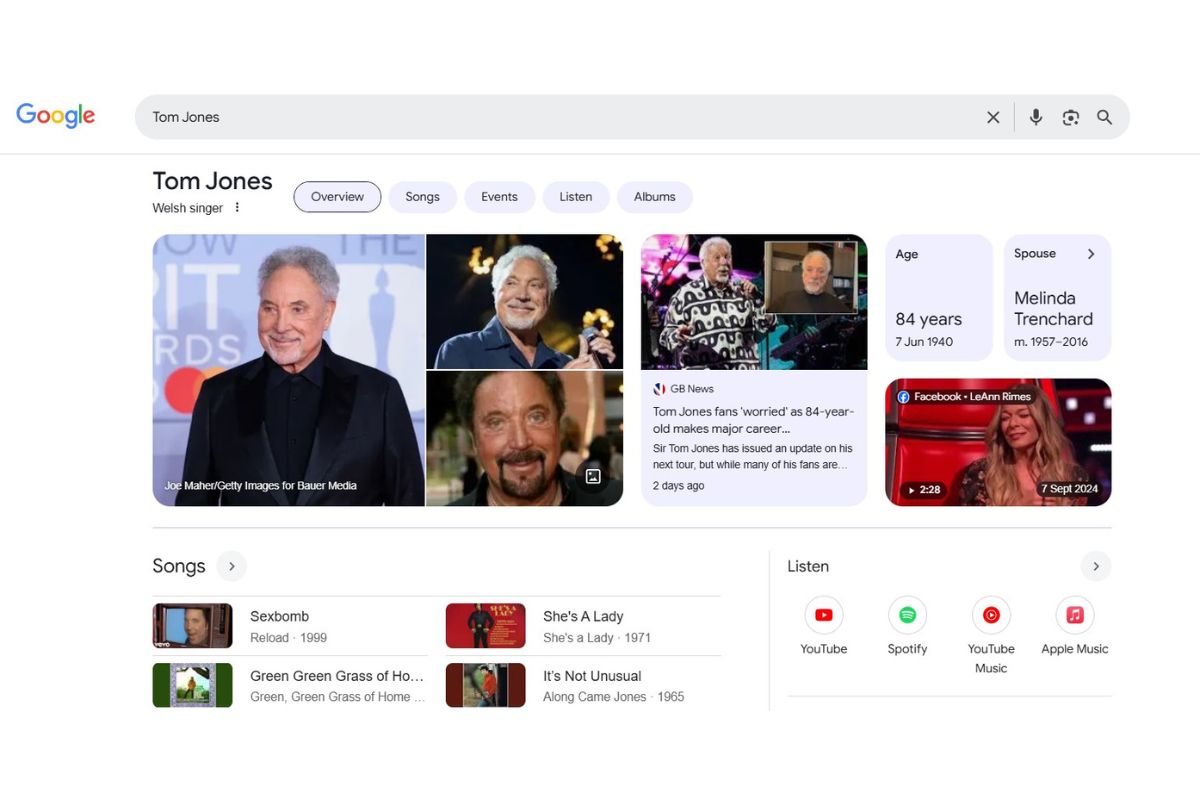
A knowledge panel appears on the right side of search results when users look up well-known figures, places, or brands. This information box presents key details such as birth dates, social media links, or career highlights.
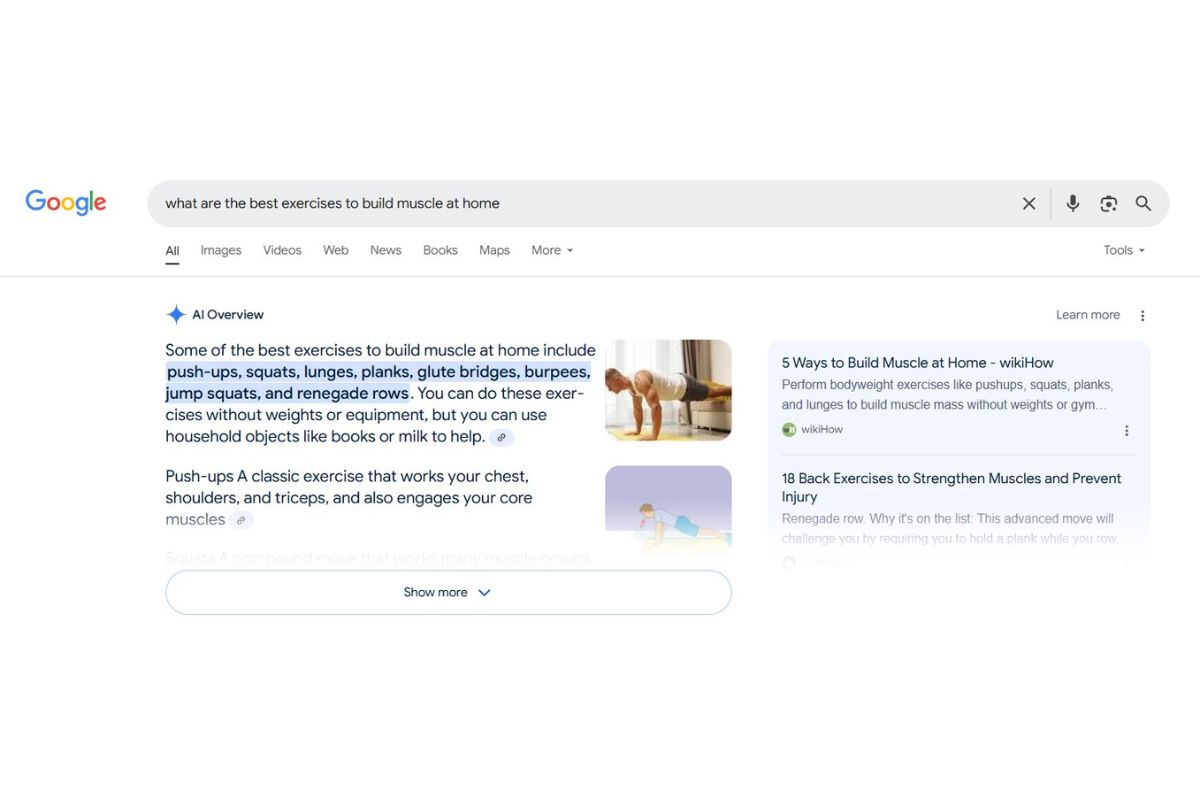
3. AI Overviews
AI Overviews are AI-generated summaries that appear at the top of search results for informational queries. These summaries are generated using Google’s large language model, Gemini, which pulls together insights from multiple sources.
Alongside the summary, users can now find citations linking to original sources, making it easier to verify information.
4. Local Pack
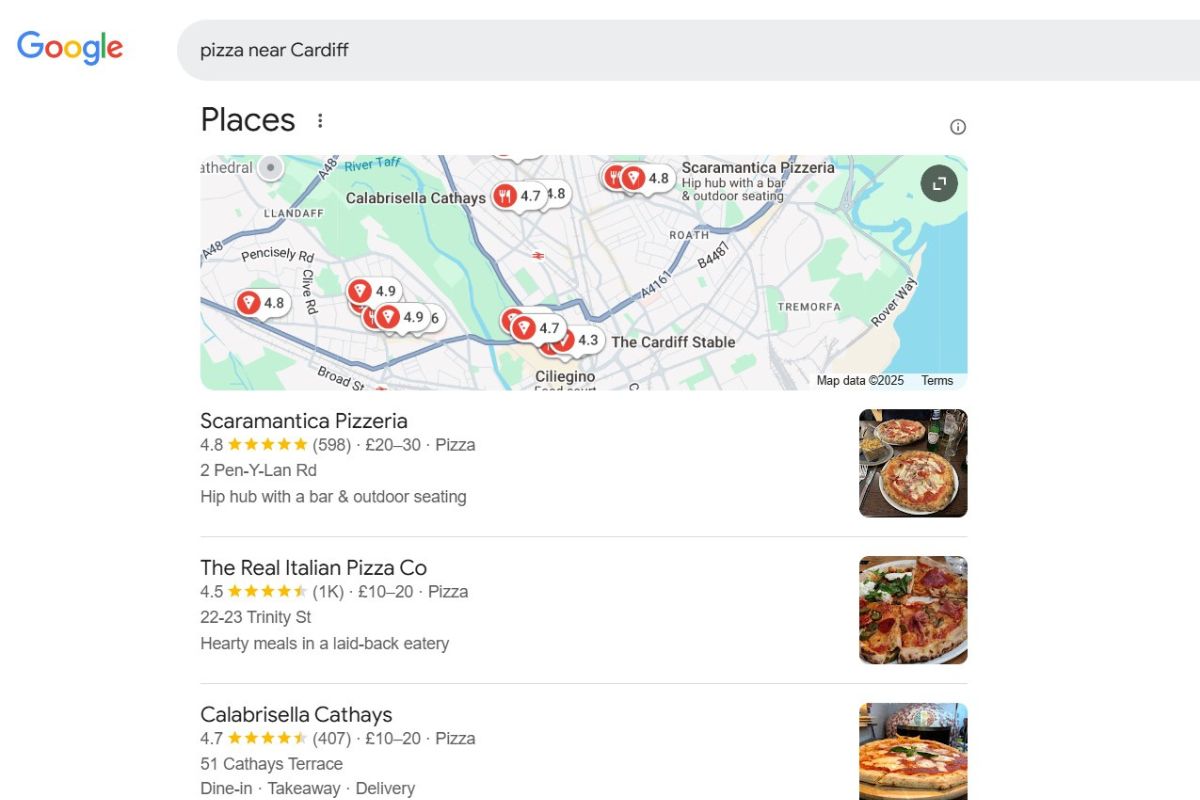
Also known as the ‘Map Pack’, this feature displays a list of nearby businesses, along with an interactive map. When searching for a term like ‘pizza near me’, Google My Business displays business names, ratings, addresses, and contact details.
Clicking on a listing provides more details, but users can often get basic information without leaving the search results page.
5. People Also Ask (PAA)
The ‘People Also Ask’ section is a collection of related questions that expand when clicked. Each question reveals a brief answer and generates additional related queries.
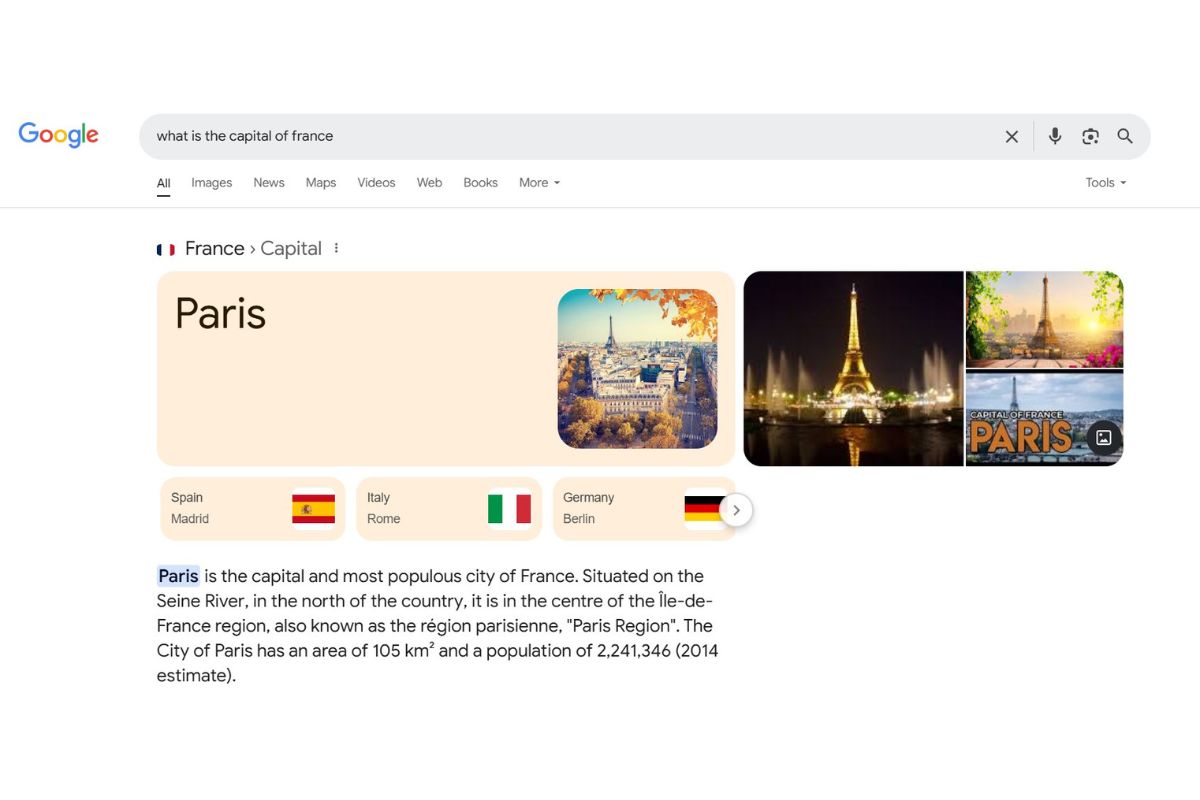
6. Direct Answer Box
A direct answer box is a simplified version of a featured snippet, designed to provide short and factual responses to straightforward questions.
Queries like, “What is the capital of France?” often trigger direct answer boxes. Since they provide instant responses, users rarely need to click through to another page.
How To Get Value From Zero Click Searches
The growing prevalence of zero-click searches presents a challenge for businesses relying on organic traffic. However, refining your SEO strategy can help you leverage these search trends to your dvantage.
Here are some strategies to help you make the most of this SEO trend:
Prioritise Long Form Content
Zero-click searches are great for increasing brand visibility, establishing authority on your website, and capturing top search positions. However, to drive traffic, complement them with engaging, long-form content encouraging users to click through, for deeper insights.
Short, straightforward answers often get pulled into Google’s search results, preventing users from clicking through to a website. To counter this, create in-depth, comprehensive content that goes beyond a simple summary.
For example, if you run a fitness blog, instead of writing a short article on ‘5 Quick Exercises for Weight Loss’, create a comprehensive guide on effective weight loss strategies.
Cover topics like exercise routines, common mistakes, nutrition plans, and lifestyle habits. The more detailed your content, the less likely Google can summarise it in just a snippet, encouraging users to click through for more insights.
Optimise For Featured Snippets
Though your goal is to create in-depth content, you should also structure your articles to answer specific questions concisely, so they have a chance of being featured in snippets.
For example, if you’re writing about fitness and workout routines, include subheadings that answer common user queries, such as:
- What are the best exercises for building muscle at home?
- What is the ideal post-workout meal for muscle recovery?
- How often should you work out to lose weight?
Answering these types of queries within your content means that your website has a higher chance of being featured as a zero-click result, increasing brand visibility and credibility.
Choose Click-Worthy Keywords Over Search Volume
Not all high-search volume keywords are beneficial for businesses. Some terms generate thousands of searches but result in minimal clicks as Google provides direct answers on the search engine results page.
Rather than focusing on search volume, assess search intent and click-through potential. For example, ranking for a keyword like ‘Ryan Reynolds age’ might get high visibility, but if users aren’t clicking on results, it won’t drive organic traffic to your website.
Look beyond volume when conducting keyword research. Analyse keyword difficulty, website visits, and user intent to target search terms that drive real traffic to your store.
The Bottom Line
So, what are zero click searches? Search results which give users instant answers without requiring a website visit.
Zero-click searches can feel like a challenge for businesses relying on organic traffic, but they can be an opportunity to showcase expertise and build brand presence.
If your content appears at the top of search results and directly addresses a user’s query, you’re providing value and positioning your business as an authoritative source.
By writing valuable, in-depth content, optimising for featured snippets, and targeting the right keywords, you can increase your online visibility and drive traffic to your business — despite Google’s shift toward instant answers.
How Can We Help
At Lumen SEO, our experienced team can help you craft an SEO strategy that boosts your online visibility and drives more traffic to your business.
Whether you’re looking to optimise for zero-click searches, improve your search engine rankings, or enhance your overall digital presence, we’ll work with you to get your services noticed.
Get in touch today to request your free website audit or to learn more about our services and how you can get started.
Written by Roshina for Lumen SEO.