Home » SEO for AI Search
As AI search becomes part of everyday browsing, visibility is no longer limited to Google results. You can now optimise your content to appear in AI-generated answers across a number of different platforms. Yes, really! You’ll often see this called AIO, AEO or SEO for AI.
Some of the most common AI platforms include…
ChatGPT is an AI chatbot that answers questions and creates content in a natural, conversational way.
AI Overviews is a Google Search feature that uses Gemini AI to give quick, summarised answers to your questions.
Bing Copilot is Microsoft’s AI-powered search assistant that answers questions, summarises information, and helps you find what you need directly in Bing
of AI-driven traffic converts to sales
are shown AI Overviews every month
of Google searches now show AI Overviews
of consumers now use ChatGPT for searches
A few client examples of how our work has contributed to increased traffic from AI…
Over the last 12 months, our client has seen a significant increase in traffic from ChatGPT, and more importantly an increase in ‘contact us’ submissions, which you can see below.
During this time, we’ve improved page structure, metadata, and related content sections across the firm’s main legal pages, helping ChatGPT better understand and recommend their content.
Results: last 3 months vs. previous 3 months:
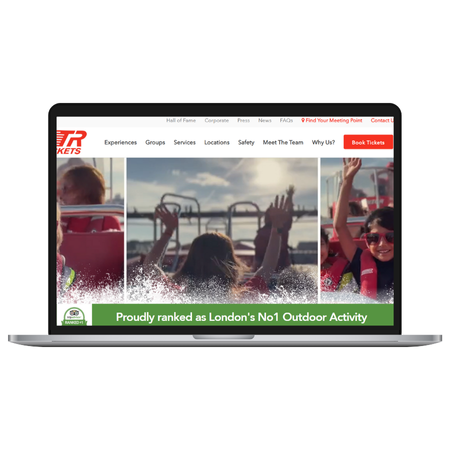
We’ve given our tourism client a big content boost, which included tightening up text and metadata, and publishing keyword-rich blogs that ChatGPT now loves to pull from.
The result? More visitors clicking ‘add to cart’ and completing purchases straight from ChatGPT recommendations. What we love to see!
Results: last 3 months vs. previous 3 months:
Fill in a couple of details below and one of our experts will analyse your site and provide you with a clear list of improvements to help you show up more in AI results. The audit will include an AI search health check, a usefulness review and 3 actionable tips.


Whether you sell products or services, if someone’s asking an AI for help, ChatGPT can only recommend you when your pages share the info it needs.
Some things that will make a page more useful include: FAQ’s, clear call-to-actions, verified Google/Trustpilot reviews, case studies, clear product/service details & granularity.
We’re seeing a clear pattern: the pages that pull the most traffic from AI search are the ones that look great and read clearly.
It’s important to keep refining your design and gathering customer feedback, but it’s also just as important to tighten the structure of your content. A few quick wins we like to implement:
Only 1 H1 per page so it’s obvious what the page is about.
Structuring headings (H2, H3, H4) to break up content into logical sections.
Bullet points to present features, tips, and guidance. ChatGPT often lifts these straight into its answers.
We publish articles that actually answer the questions people are asking – clear, well-structured, and rich with firsthand insight.
Each post targets a tight intent, uses clear headings and bullet points, and includes data, examples, and visuals that AIs can lift into answers.
ChatGPT, much like Google, evaluates your broader online presence, not just your site. This is why we build authority beyond the website, i.e. securing journalist requests and PR opportunities for clients.
It’s also important to keep social profiles you can actively maintain, and retire the rest so your brand looks focused and credible on the channels you truly commit to.