If you’re just starting to dip your toes into the world of digital marketing, you’ve probably come across the terms SEO and SEM. But what’s the real difference? Simply put, SEO (Search Engine Optimisation) and SEM (Search Engine Marketing) both help you get seen on search engines like Google, but they do it in different ways. SEO focuses on organic tactics to boost your rankings, while SEM takes a paid approach to ensure your site shows up at the top. Both are essential for driving traffic, but how you use them depends on your goals.

SEO: The Organic Approach
SEO is the backbone of any successful digital marketing strategy. Unlike SEM, which relies on paid ads, SEO is all about earning your spot at the top of search results through organic means. By optimising your website’s content, structure, and user experience, you make it easier for search engines like Google to understand what your site is about and rank it higher.
SEO offers several key benefits:
- Long-Term Results: Once you’ve put in the effort to improve your SEO, the rewards can last much longer than paid ads.
- Cost-Effective: While SEO requires time and effort, it doesn’t involve ongoing costs as SEM does.
- Trust & Credibility: Organic results are often trusted more by users than paid ads, making them a valuable asset in building your online reputation.
Key elements of SEO include:
- On-page SEO: Optimising your content, keywords, meta descriptions, and headings to ensure your website is search engine-friendly.
- Technical SEO: Ensuring your website runs smoothly, from fast loading times to mobile responsiveness and clear URL structure.
- Content Creation: Regularly updating your site with high-quality, engaging content that appeals to both search engines and your audience.
- Link Building: Acquiring quality backlinks from authoritative sites to boost your site’s credibility and rankings.
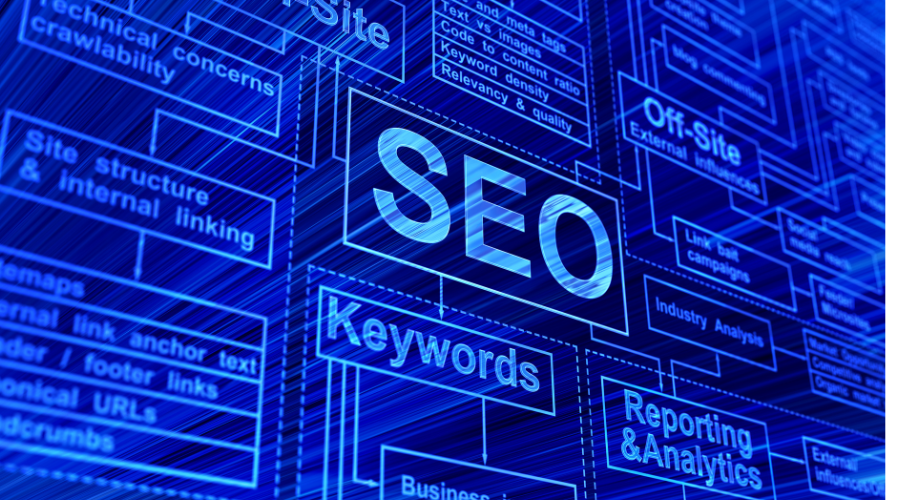
SEO is the key to long-term, cost-effective visibility, building trust through organic growth, and strong optimisation!
SEM: The Paid Strategy
While SEO is the marathon, SEM is the sprint. SEM uses paid search engine advertising, such as Google Ads, to ensure your website shows up at the top of the search results. It’s a great way to drive immediate traffic to your site and can be particularly useful for time-sensitive campaigns, such as product launches or special promotions. However, SEM is a paid strategy that requires constant investment, and once you stop paying, the traffic stops.
Common SEM tactics include:
- Pay-Per-Click (PPC) Ads: These ads appear at the top of search engine results and you pay each time someone clicks on your ad.
- Display Ads: Banners or side ads are shown on websites across the internet.
- Remarketing: Targeting users who’ve previously visited your site with tailored ads to bring them back.
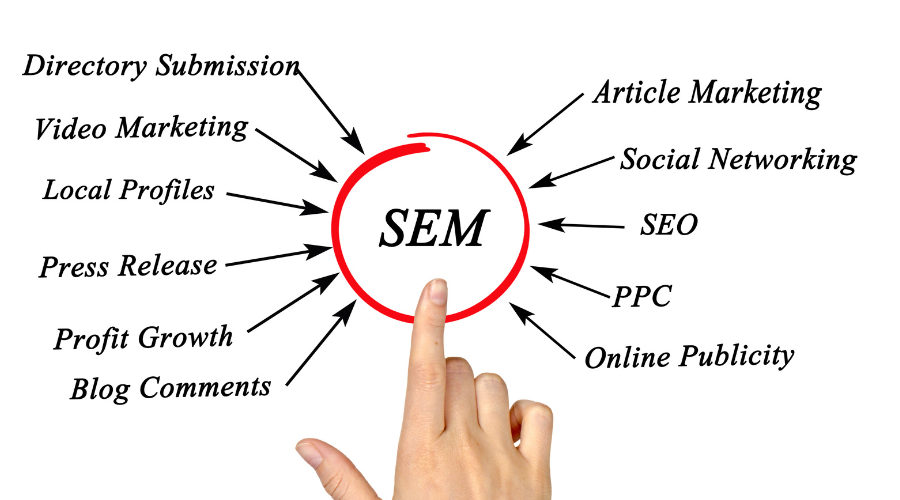
SEO vs SEM: Which One Should You Choose?
When it comes to SEO vs SEM, the choice really depends on your business goals. If you’re looking for quick traffic or immediate visibility, SEM is a great option. But if you want to build a solid, long-term foundation for your online presence, SEO is the way to go.
Want to Build a Strong SEO Strategy?
If you’re ready to take your website’s SEO to the next level, our team at Lumen SEO is here to help. We specialise in crafting tailored SEO strategies that drive organic traffic, improve your search engine rankings, and help your business grow sustainably. If you’re serious about growing your online presence and dominating the search results, reach out to Lumen SEO today. Let’s make SEO work for your business!
Written by Cara Erasmus for Lumen SEO.